
Study Destinations
Study in Finland
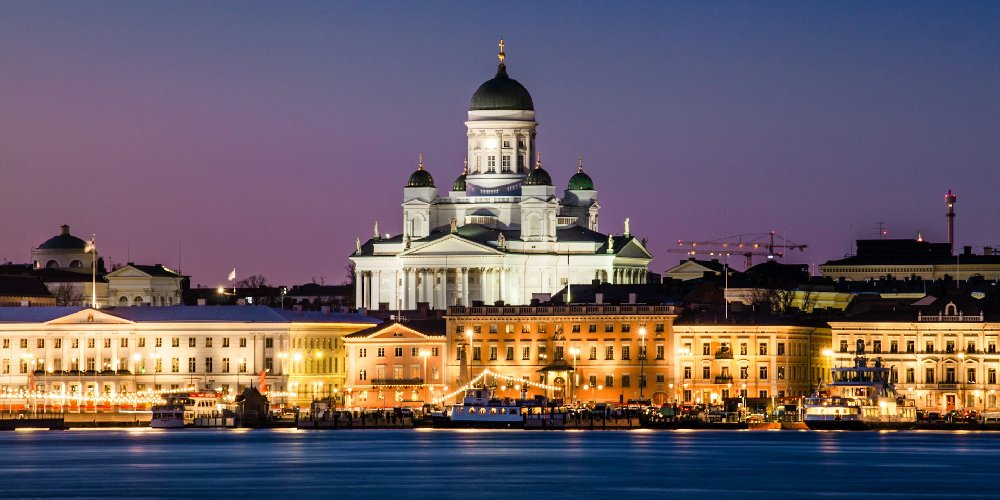
Finland is renowned for its strong emphasis on education, making it a leader among nations in this regard. With a rich and diverse culture, Finland places significant importance on its educational system. It boasts the highest proportion of students opting for higher education globally, and its innovative educational framework has been widely emulated by countries worldwide.-.O,LNYBTR VB
Finland maintains one of the world’s most advanced education systems, emphasizing both equality and academic excellence. All educators are required to hold at least a Master’s degree and are selected from the top 10% of graduates, reflecting the country’s high standards for teaching professionals. According to the 2022 QS World University Rankings, seven Finnish universities were ranked among the global top 500, highlighting their competitiveness and quality on the international stage.
About Finland
Situated in Northern Europe, Finland shares borders with Russia, Norway, and Sweden and is home to approximately 5.5 million residents. Most of the population lives in the southern region, where the climate is comparatively milder. With the lowest population density among EU member states, Finland offers a calm and spacious living environment that appeals to international students.
Finland became an independent republic in 1918 following the Russian Revolution and has since maintained a stable democratic system. The country adopted a neutrality policy after joining the United Nations in 1955, contributing to its strong international relations and peaceful society. The climate in Finland is characterized by long winters and short summers, with inland regions often experiencing up to 100 days of snow coverage annually. Despite the cold, Finland’s winter landscapes contribute to its natural beauty and cultural charm.
The Cost of Living and Studying in Finland
Students from EU/EEA countries or Switzerland, as well as Ph.D. candidates, exchange students, and individuals with permanent residency in the EU/EEA, are typically exempt from tuition fees. These students may only need to pay a nominal student union fee, which is usually around €40. In contrast, students from non-EU/EEA countries pursuing bachelor’s or master’s programs are required to pay tuition fees, which generally range between €6,000 and €18,000 per academic year, depending on the institution and program of study. Tuition fees must be paid before applying for a residence permit, and some universities offer merit-based scholarships to reduce these costs.
Student Visas For Finland
The visa and residency requirements for studying in Finland depend on the student’s nationality. EU/EEA students do not require a visa or residence permit, but must register their residence with the Finnish Immigration Service (Migri) if their studies exceed 90 days. For study programs lasting over one year, students must also register in the Finnish population system to obtain a Personal Identity Code, which is essential for accessing public services, opening bank accounts, and employment. Nordic citizens follow a similar process but must register their local address if staying longer than six months.
Non-EU/EEA students must apply for a renewable student residence permit before or shortly after arriving in Finland. The application requires a formal university acceptance letter,

Languages
In Finland, both Finnish and Swedish are official languages, but it’s common for locals to speak English fluently. Nonetheless, while abroad, it’s beneficial to learn some Finnish for cultural immersion and to enhance your resume. Most courses are conducted in English, and non-native English speakers may need to demonstrate proficiency. For Finnish-taught programs, proof of Finnish language proficiency is required, typically with intermediate to advanced scores on recognized language exams showing reasonable competence in the language. Check with your chosen college or visit their website for specific language requirements pertaining to your course.
Cities
Helsinki
Helsinki, the capital and most populous city of Finland, has a population exceeding 640,000, and forms part of the Greater Helsinki area, which includes over 1.5 million residents. The city serves as a national hub for government, finance, technology, and education, and is consistently ranked among the top 10 most livable cities globally according to indexes such as the Economist Intelligence Unit’s Global Liveability Ranking.
Helsinki is a central location for higher education in Finland, home to 10 universities and institutions of applied sciences. The University of Helsinki, founded in 1640, is Finland’s oldest and largest academic institution, with an enrollment of approximately 36,500 students. Other notable institutions in the city include Metropolia University of Applied Sciences, one of Finland’s largest universities of applied sciences with over 16,000 students, and HELBUS Helsinki School of Business, a private institution offering British-accredited business degrees.
Tampere
Tampere, located in southern Finland between Lake Näsijärvi and Lake Pyhäjärvi, has a population of around 250,000, making it the country’s third-largest city. Known for its industrial legacy, Tampere was a major driver in Finland’s early economic development and earned the nickname “Manse,” a reference to its comparison with Manchester, UK.Today, Tampere remains a key educational and innovation hub, hosting four higher education institutions. The recently merged Tampere University, formed by the unification of the University of Tampere and Tampere University of Technology, serves over 20,000 students and focuses on multidisciplinary research and teaching. The Tampere University of Applied Sciences (TAMK) enrolls approximately 10,000 students, offering practical, career-oriented education with strong links to regional industries.