
Study Destinations
Study in Cyprus
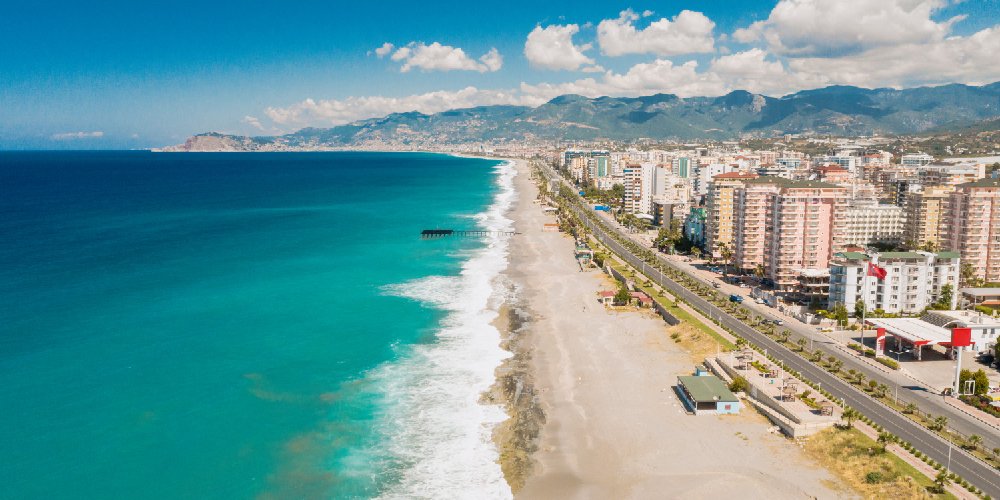
Cyprus, the third-largest island in the Mediterranean, is a destination admired for its sunshine, stunning beaches, and rich cultural heritage. Known for its lively coastal cities and scenic mountain landscapes, Cyprus offers a unique blend of modern living and traditional charm. The country also places strong emphasis on education, dedicating a significant portion of its national income—nearly 7% of its GDP—to the sector, ranking among the highest global spenders on education.
Why Study in Cyprus?
Beyond its postcard-perfect beaches and year-round sunshine, Cyprus has become an emerging hub for higher education. The island is home to an impressive range of public and private universities, many of which collaborate with international institutions to offer degrees recognized across Europe and beyond.
Cyprus provides students with access to affordable, high-quality education in a safe and welcoming environment. Programs are often taught in English, attracting thousands of international students each year. Students can pursue qualifications from undergraduate to doctoral levels, benefiting from small class sizes and modern learning facilities.
Facts About Cyprus
Cyprus is located at the crossroads of Europe, Asia, and Africa, covering approximately 9,250 square kilometers. The island is divided into the Republic of Cyprus in the south and the Turkish Cypriot-administered area in the north, separated by the United Nations–controlled Green Line.
Famous for its Mediterranean climate, Cyprus enjoys warm weather for most of the year, with long summers stretching from April to November. This makes it an ideal place not only for academic pursuits but also for outdoor activities such as hiking in the Troodos Mountains, exploring archaeological sites, or relaxing by the coast.
Cost of Studying and Living in Cyprus
The official currency in Cyprus is the Euro (€). Tuition fees vary depending on the institution and program of study. On average, bachelor’s programs cost between €3,500 and €8,000 per year, while master’s degrees range from €5,000 to €10,000 annually. Programs such as MBA or PhD degrees may have higher fees.
Students from non-EU countries generally pay more than those from EU nations, though Cyprus still remains one of the most affordable study destinations in Europe.
When it comes to living costs, many universities provide on-campus accommodation, which is often more budget-friendly than renting private apartments. Institutions also assist students in finding secure housing and managing their expenses.
International students are allowed to work part-time during their studies, though restrictions apply to the number of hours per week. Employment can be a helpful supplement, but students should plan their finances carefully as part-time work alone may not cover all expenses.
Student Visas for Cyprus
EU/EEA students do not need a student visa to study in Cyprus, but they must submit essential documents to their institution, such as proof of enrollment, language proficiency, and valid ID or passport. They are also required to apply for a temporary residence permit upon arrival.
Non-EU students, on the other hand, must obtain a student visa before entering Cyprus. To qualify, they must be enrolled as full-time students, typically taking a minimum of 12 credits per semester. Visa applications can be processed either through Cypriot embassies or consulates abroad or within Cyprus via the Migration Department. Once approved, students can live and study in Cyprus for the duration of their course, provided they maintain their enrollment status.

Languages
English serves as the main instructional language at both public and private institutions in Cyprus, necessitating a specific level of English proficiency. Applicants are usually required to meet a specified English proficiency level when applying. Colleges and universities often offer pre-sessional English courses for students who need to enhance their language skills, providing them with an opportunity to improve their abilities.
Cities
Nicosia, the capital city of Cyprus, is situated in the island’s northern region and is recognized as one of the key economic and business centers of the country. In 2018, it was ranked among the top 35 wealthiest cities in the world, highlighting its significance as a hub for commerce and international trade.The city is an excellent destination for international students, offering a vibrant mix of academic, cultural, and professional opportunities. Nicosia is home to eight universities, ranging from public to private institutions, providing a wide variety of programs across arts, sciences, business, and technology.Beyond academics, Nicosia boasts a rich cultural landscape, with numerous museums, theaters, and art galleries, making it a lively city for students who want to balance study with cultural experiences. Its modern infrastructure, combined with historical charm, makes Nicosia both a convenient and stimulating environment for higher education.