
Study Destinations
Study in Hungary
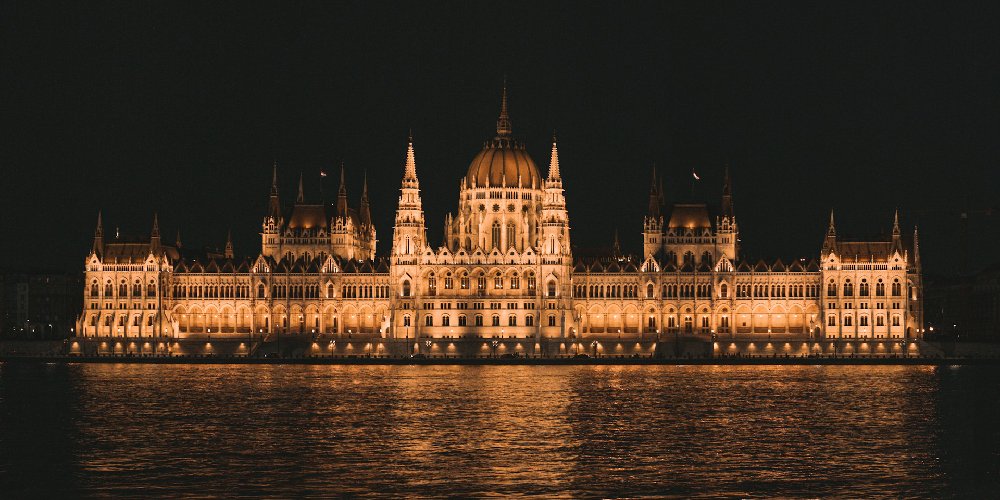
Hungary, home to some of the world’s oldest universities, boasts a long history of higher education. The nation takes pride in its unique character, which it diligently preserves. Though one of the smaller European countries, Hungary offers a wealth of opportunities for prospective international students.
Why Go To Hungary To Study?
Hungary offers a competitive and internationally recognized higher education system, with universities known for excellence in fields such as medicine, dentistry, engineering, and natural sciences. Hungarian institutions actively participate in international academic networks and promote global mobility, aligning with the Bologna Process, which standardizes higher education across Europe.
Students can pursue bachelor’s, master’s, and doctoral degrees at both universities and colleges. The country’s academic structure encourages interdisciplinary study and international cooperation. In the QS World University Rankings 2022, the University of Szeged ranks in the 551–560 range globally, while the University of Debrecen is placed within the 591–600 range, highlighting their growing global reputation. Degrees awarded in Hungary are widely recognized throughout the European Union and many other countries.
Regarding Hungary
Located in Central Europe, Hungary has a population of nearly 10 million and shares borders with seven countries: Austria, Slovakia, Ukraine, Romania, Serbia, Croatia, and Slovenia. As a member of the European Union, Hungary provides a stable and accessible academic environment for international students.
Hungary is culturally rich, with significant contributions to classical music, literature, visual arts, science, and sports. It is home to Lake Balaton, the largest freshwater lake in Central Europe, as well as the Puszta, the largest natural grassland in Europe. The country also contains the largest thermal water cave system in the continent, enhancing its reputation for wellness tourism and geothermal research.
Hungary’s Living And Education Expenses
The official currency of Hungary is the Hungarian Forint (HUF).
Tuition fees in Hungary vary depending on the university, program, and academic level. Students from EU countries may apply for state-funded places, though these are highly competitive and subject to the same selection criteria as local applicants. International students from both EU and non-EU countries may be eligible for the Stipendium Hungaricum, a government-sponsored scholarship that covers tuition, accommodation, and living expenses.
Student Visas For Hungary
Visa and residence requirements depend on the student’s nationality. EU/EEA citizens do not need a visa to enter Hungary but must register for a residence permit within 15 days of arrival. This involves submitting documentation to the Hungarian Immigration and Asylum Office and is required for students staying more than 90 days.Non-EU/EEA nationals must apply for a student visa and residence permit before entering Hungary. This process includes submitting a letter of acceptance, proof of financial support, and valid health insurance. Applications should be made through the Hungarian embassy or consulate in the student’s home country. The processing time can take at least 30 days, so early submission is strongly recommended.Once approved, students receive a residence permit card, which allows them to live in Hungary for the duration of their studies and may include limited work rights depending on the visa type.

Languages
Hungarian is the official and national language of Hungary. Degree programs are available in both English and Hungarian, with postgraduate degrees increasingly taught exclusively in English. If you are studying in a non-native language, you must provide proof of proficiency. Institutions often offer language courses to help you meet the requirements. Even if you study in English, learning as much Hungarian as possible is beneficial. Practicing with locals and fellow students is the best way to improve. This skill will enhance your CV or resume!
Cities
Budapest, the capital and largest city of Hungary, has a population exceeding 1.7 million, making it the most populous city in the country and the economic, political, and cultural center of Hungary. Widely regarded as one of Europe’s most visually striking capitals, Budapest is known for its architectural heritage, historical landmarks, and vibrant arts scene. The city’s central area along the Danube River is designated as a UNESCO World Heritage Site, featuring iconic sites such as Buda Castle, the Hungarian Parliament Building, and the Liberty Statue on Gellért Hill.
The city is home to over 35 higher education institutions, offering a broad range of academic programs. Budapest is particularly recognized for its strong reputation in medicine, dentistry, engineering, and veterinary sciences. Institutions in the city have steadily expanded their international reach, with many programs offered in English, German, French, and Dutch, alongside Hungarian-language instruction. This multilingual environment has contributed to a significant rise in international student enrollment.