
Study Destinations
Study in Ireland
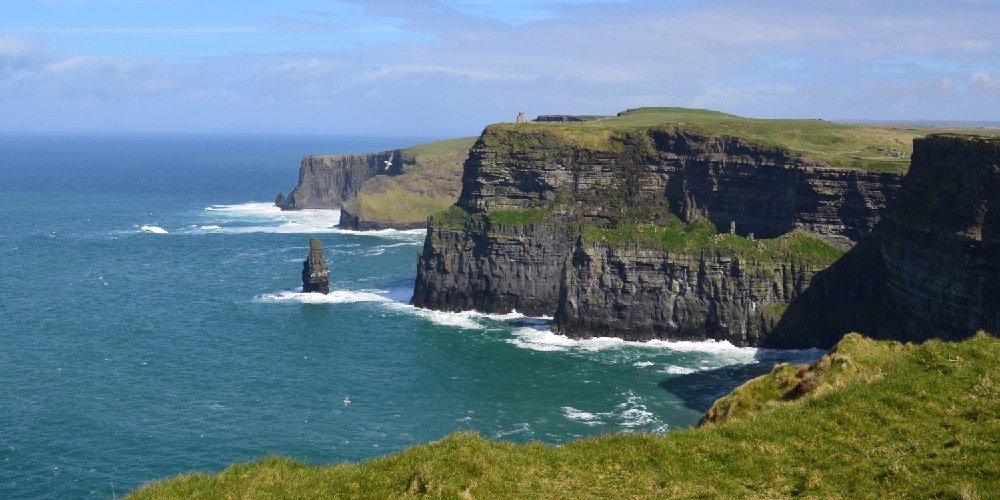
Studying in Ireland
Ireland is a popular destination for international students, offering one of the world’s leading educational systems. Its universities and colleges are globally connected, equipping graduates with skills and knowledge that open doors to professional opportunities worldwide.
Located at the western edge of Europe, Ireland is the continent’s second-largest island after Great Britain. Known for its lush green landscapes, rich history, and friendly communities, the country provides students with both an inspiring and safe environment for study and personal growth.
Why Study in Ireland?
Ireland has become a top choice for international students due to its strong educational standards, vibrant youth population, and thriving economy. Key reasons to study in Ireland include:
- High-quality education: Irish universities are globally recognized for excellent teaching and practical training across a wide range of subjects.
- Research excellence: Ireland hosts nine of the world’s top ten pharmaceutical companies, making it a hub for cutting-edge scientific research.
- Career opportunities: With many multinational corporations establishing European headquarters in Ireland, students enjoy a high likelihood of employment after graduation.
- Cultural exposure: Studying in Ireland offers easy access to neighboring European countries, providing a chance to experience diverse cultures firsthand.
- International student support: Most colleges have dedicated offices and orientation programs to help international students adapt to Irish culture, academics, and campus life.
- Scholarships: Qualified students can apply for financial aid programs to assist with tuition, living expenses, and other educational costs.
Higher Education System in Ireland
Ireland’s higher education system includes:
- Universities offering a wide range of degree programs
- Specialized colleges focusing on a single field of study
- Technological institutions providing vocational programs in areas such as hospitality, healthcare, pharmacy, media, textiles, marketing, and technology
Irish universities are known for their innovative yet student-friendly approach, balancing academic rigor with practical learning. The country has become a preferred destination for international students seeking quality programs in humanities, social sciences, and natural sciences.
Studying and Living Costs in Ireland
Living expenses for students typically range from €7,000 to €12,000 per academic year, covering rent, utilities, food, clothing, books, transportation, and social activities (excluding tuition). Costs vary depending on city, housing type, lifestyle, and planned travel.
- Tuition fees:
- Undergraduate programs: €9,000 – €45,000 per year
- Postgraduate programs (Master’s/PhD): €9,150 – €37,000 per year
Additional expenses include around €2,500 per year for student services, exam registration, and extracurricular activities.
Student Visas for Ireland
International students planning to study in Ireland for more than three months must obtain a student visa. Key points to remember:
- Apply up to three months before your intended arrival.
- Ensure you have the necessary visas if traveling through other countries before reaching Ireland.
- Check all visa requirements carefully and provide documentation such as proof of enrollment, financial stability, and health insurance.
Studying in Ireland offers a safe, enriching, and globally recognized education, making it an ideal destination for students seeking both academic excellence and cultural immersion.
About Ireland
Ireland is a country rich in culture, history, and tradition. Though its population is around five million, over 70 million people worldwide claim Irish heritage, creating a strong global community.
The nation consistently ranks among the top 20 countries for quality of life, safety, and human development. With a youthful population (around one-third under 25), Ireland offers a lively and energetic environment for students.
Ireland is also steeped in folklore and charm:
- Legends of leprechauns and fairies are popular in Irish culture, symbolizing luck and happiness.
- The harp, Ireland’s national symbol, appears on passports, euro coins, and official documents.
- The country is dotted with ancient castles, many of which are open to visitors and add to Ireland’s historical allure.
Higher Education System in Ireland
Ireland’s higher education system includes:
- Universities offering a wide range of degree programs
- Specialized colleges focusing on a single field of study
- Technological institutions providing vocational programs in areas such as hospitality, healthcare, pharmacy, media, textiles, marketing, and technology
Irish universities are known for their innovative yet student-friendly approach, balancing academic rigor with practical learning. The country has become a preferred destination for international students seeking quality programs in humanities, social sciences, and natural sciences.
Studying and Living Costs in Ireland
Living expenses for students typically range from €7,000 to €12,000 per academic year, covering rent, utilities, food, clothing, books, transportation, and social activities (excluding tuition). Costs vary depending on city, housing type, lifestyle, and planned travel.
Tuition fees:
- Undergraduate programs: €9,000 – €45,000 per year
- Postgraduate programs (Master’s/PhD): €9,150 – €37,000 per year
Additional expenses include around €2,500 per year for student services, exam registration, and extracurricular activities.
Student Visas for Ireland
International students planning to study in Ireland for more than three months must obtain a student visa. Key points to remember:
- Apply up to three months before your intended arrival.
- Ensure you have the necessary visas if traveling through other countries before reaching Ireland.
- Check all visa requirements carefully and provide documentation such as proof of enrollment, financial stability, and health insurance.
Studying in Ireland offers a safe, enriching, and globally recognized education, making it an ideal destination for students seeking both academic excellence and cultural immersion.

Languages
According to Foras na Gaeilge, the Celtic language Gaeilge, or Irish as locally known, is hailed as “one of the oldest and most historic written languages globally.” Its poetic cadence resonates in schools nationwide and in the Gaeltacht (Irish-speaking) regions’ shops, pubs, streets, markets, and festivals. Irish is ubiquitous, with all street and road signs in the Republic of Ireland being bilingual (in English and Irish). While English remains dominant on the island of Ireland, we Irish have infused it with our own distinct style, creating the Hiberno-English dialect, which integrates Irish linguistic patterns into English.
Cities
Dublin
Dublin, Ireland’s capital and largest city, serves as the country’s economic and educational hub. The city hosts numerous prestigious universities and colleges, ensuring that students have access to top-quality education and resources.
Dublin offers a unique blend of historic sites, theaters, museums, and literary heritage, allowing students to immerse themselves in Irish culture while pursuing their studies. Institutions such as Trinity College Dublin, City University, and the Institute of Technology rank highly in global university rankings, and the Royal College of Surgeons in Ireland is particularly appealing to aspiring medical professionals.
The city’s vibrant atmosphere, rich in cultural events, iconic architecture, and bustling cafes, ensures that student life is both exciting and fulfilling. Dublin also provides a range of scholarships and financial support, reflecting Ireland’s commitment to accessible, high-quality education for international students.
Cork
Cork, located on an island in the Lee River, is known for its friendly and welcoming community. The city’s vibrant atmosphere, rich cultural heritage, and strong culinary traditions make it an appealing choice for students.
Cork offers a walkable city center filled with cafes, galleries, museums, and historic pubs. Famous for its local cuisine — including smoked salmon, artisanal cheeses, and chocolate — Cork also hosts numerous festivals and cultural events throughout the year. The University College Cork attracts a diverse student body, offering a variety of academic programs in a supportive and engaging environment. Cork’s weather is famously changeable, often described as “four seasons in one day,” adding to the city’s charm.
Galway
Galway is a cultural hotspot, drawing students with its lively arts scene, festivals, and coastal beauty. Known for its culinary delights, Galway hosts food tours highlighting local producers, chocolatiers, brewers, and artisanal entrepreneurs.
The city’s festivals, such as the Galway Film Fleadh and Galway Oyster Festival, showcase both local and international talent. Students can enjoy a balance of modern amenities, beaches, and stunning landscapes while studying at institutions such as the Galway-Mayo Institute of Technology and the National University of Ireland, Galway. Galway offers a creative, student-friendly environment that celebrates both traditional and contemporary Irish culture.
Maynooth
Maynooth, a historic university town in County Kildare, lies about 24 kilometers from Dublin. Known for its educational legacy dating back to the 18th century, Maynooth attracts students from around the world to its well-regarded institutions.
The town retains a medieval charm, with historic architecture and a scenic layout along the Royal Canal. Maynooth University is highly respected, offering competitive programs in a welcoming environment. The town also serves as a retail and cultural hub for Kildare and Meath, with local shops and recreational areas providing a cozy, small-town feel for students.
Limerick
Limerick, located in west-central Ireland, is set along the Shannon River and combines historic charm with modern industry. The city has developed administrative independence and serves as a key center for technology, commerce, and tourism.
Fishing, agriculture, and hydroelectric power contribute to the local economy, while the city is also known for computer and electronics industries. Limerick has a rich cultural heritage, famous for Limerick lace and artistic collections at the Hunt Museum and the Limerick City Gallery of Art, featuring works from renowned artists. Students enjoy a blend of historic exploration, arts, and academic opportunities, making Limerick an appealing choice for study and living.