
Study Destinations
Study in Netherlands
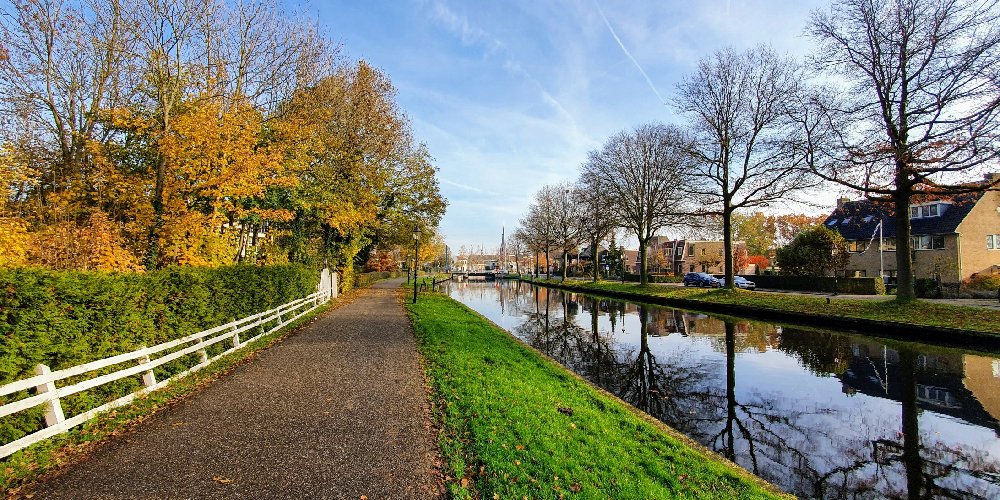
The Netherlands, commonly referred to as Holland, is a country in continental Europe. With a population of around 17.6 million people, it hosts a significant international community. As a founding member of various international and intergovernmental organizations, the Netherlands holds an important and prominent position globally.
What are the Benefits of Studying in the Netherlands?
The Netherlands is widely recognized as one of the first countries to offer courses in English, allowing students to choose between studying in English or Dutch depending on their language skills. Renowned for its tolerance and open-minded culture, international students are welcomed into a diverse and inclusive environment.
Higher education in the Netherlands is divided into universities of applied sciences and research universities. Universities of applied sciences focus on practical, career-oriented courses, while research universities provide broader academic programs. Both types of institutions offer degrees that are recognized globally.
Dutch universities are highly respected worldwide. In the 2022 QS World University Rankings, 13 universities from the Netherlands were ranked among the top 500 (excluding universities of applied sciences). The University of Amsterdam ranks 55th, while Delft University of Technology is close behind at 57th.
In the Netherlands
Situated in Europe’s Low Countries region, the Netherlands is a well-developed nation known for its scenic landscapes, rich culture, and strong infrastructure. The country includes three special Caribbean municipalities: Bonaire, Sint Eustatius, and Saba. It also has a constitutional monarchy led by King Willem-Alexander.
The Netherlands offers a wide array of attractions and excellent transport links, making it easy for students to explore both the country and neighboring European destinations.
In the Netherlands, the Cost of Studying and Living
Studying and living in the Netherlands is generally considered affordable compared to other Western European countries.
The currency used in the Netherlands is the Euro (€).
For students from the EU/EEA, tuition fees are heavily subsidized by the Dutch government, and you typically pay around €2,168 per year (2021/22 rates). Non-EU/EEA students face higher fees: undergraduate programs range from €6,000 to €15,000 per year, while postgraduate programs range from €8,000 to €20,000 per year. Private institutions charge higher tuition for all students.
Living costs depend on the city. Major cities like Amsterdam, Rotterdam, or Utrecht are more expensive than smaller towns. On average, expect to spend €500–€1,500 per month on accommodation, food, transportation, and daily necessities. Many student discounts are available at restaurants, cultural venues, and public transport through a student ID, CJP card, or International Student Identity Card (ISIC).
Working While Studying
Students from EU/EEA countries and Switzerland do not need a work permit and can work freely while studying. Non-EU/EEA students need a work permit from their employer. Once obtained, you may work up to 16 hours per week during the semester and full-time during holidays in June, July, and August.
If you work part-time, you are also required to have public health insurance coverage.
Studying in the Netherlands with the Help of a Scholarship
International students have multiple funding options to help finance their studies. EU students or those with similar rights as Dutch citizens can apply for tuition loans.
If loans are unavailable, students can seek scholarships or grants from their home country, the Dutch government, or their chosen institution. These programs help reduce tuition and living expenses.
How to Make an Application
The Netherlands has a centralized application system called Studielink, although some courses or institutions may require separate applications.
Your application usually needs to show proof of financial resources, health insurance coverage (for non-EU/EEA students), and language proficiency for the chosen course. Always check the specific requirements with the institution you want to attend.
Student Visas in the Netherlands
Visa requirements depend on your nationality.
- EU/EEA citizens: No visa is needed for study or work.
- Non-EU/EEA citizens: Your institution typically assists with your visa application. You may need a “knowledge migrant” letter to apply for an MVV (entry visa) at the Dutch embassy. Additionally, a residence permit (VVR) is required, valid for the duration of your studies plus three months.

Languages
Dutch is the official language of the Netherlands, with three additional co-official languages and five other recognized languages spoken throughout the country. Degrees at Dutch institutions are commonly offered in both Dutch and English. If you wish to study in a language other than your native language, you will likely need to demonstrate your language proficiency. Your institution will determine the required proficiency level, so it is advisable to contact them for specific details. If you do not meet the language requirements, your chosen college may offer language courses to support you. Even if you can study in English, learning Dutch is highly beneficial. It provides an excellent opportunity to interact with locals and fellow students, enhancing your experience in the Netherlands and boosting your CV/resume.
Cities
Amsterdam
Amsterdam, the capital city of the Netherlands, has a population of around 872,000 residents. Known as the cultural heart of the country, it is famous for its historic canals, world-class museums, and lively arts and entertainment scene. Amsterdam also attracts a vibrant international community and is renowned for its nightlife and social diversity.
The city hosts several higher education institutions, including research universities and universities of applied sciences. Notable institutions include the University of Amsterdam, Vrije Universiteit Amsterdam, Tio University of Applied Sciences, and Amsterdam University of Applied Sciences.
The Hague
The Hague (Den Haag), located on the western coast of the Netherlands, is the nation’s third-largest city, with over 500,000 residents. It serves as the political capital, housing the Dutch Cabinet, the Supreme Court, and various international organizations. The city is internationally recognized as a center for law, diplomacy, and arbitration.The Hague is home to a number of higher education institutions, including research universities and applied sciences universities. Prominent examples are The Hague University of Applied Sciences, The Hague International Business School, Hotel School The Hague, and Leiden University – The Hague campus.
Rotterdam
Rotterdam, the Netherlands’ second-largest city, has a population of over 600,000 people. It is home to Europe’s largest port, making it a key hub for trade, logistics, and the national economy. The city is known for its modern architecture, much of which emerged after the city was rebuilt following near-total destruction during World War II.Rotterdam hosts several prominent higher education institutions, including Erasmus University Rotterdam, Rotterdam University of Applied Sciences, and Inholland University of Applied Sciences.