
Study Destinations
Study in UK
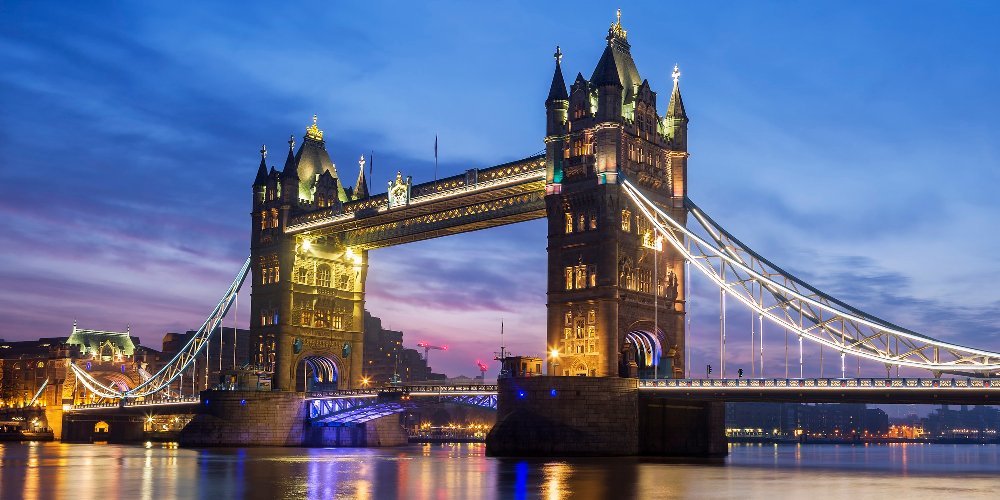
Study in the United KingdomWith over 160 higher education institutions and an impressive range of degree programs, the United Kingdom (UK) remains one of the most popular destinations for international students. The UK’s education system is globally recognized for its academic rigor, innovative teaching methods, and strong industry connections.While the education structure varies slightly across England, Scotland, Wales, and Northern Ireland, one thing remains consistent — students receive world-class instruction and internationally respected qualifications that open doors to opportunities worldwide.
Global Reputation for Excellence
UK universities consistently rank among the best in the world. In the 2022 QS World University Rankings, the UK proudly secured:
- 4 universities in the global top 10
- 17 universities in the top 100
The University of Oxford leads as the 2nd best university worldwide, followed by the University of Cambridge at 3rd, and Imperial College London at 7th.
From centuries-old institutions steeped in tradition to modern universities driving innovation, the UK offers an educational experience that blends academic prestige with real-world relevance. Whether your passion lies in science, business, the arts, or technology, the UK provides the resources and environment to help you succeed on a global stage.
About the United Kingdom
The United Kingdom (UK) is an island nation in northwestern Europe, composed of four countries: England, Scotland, Wales, and Northern Ireland. With a population of approximately 66 million, it ranks as the 78th most populous country in the world. The UK is one of the few countries with a constitutional monarchy, and Queen Elizabeth II was the longest-serving monarch in history.
Covering 243,000 square kilometers, the UK is relatively small but geographically diverse, featuring four distinct seasons, with cold winters and mild summers. Its rich history, culture, and modern lifestyle make it a vibrant place for students and visitors alike.
Types of Universities in the UK
The UK’s higher education system includes a variety of university categories, each with unique history and characteristics:
- Ancient Universities: Founded before 1600, these include Oxford, Cambridge, and St. Andrews, known for their longstanding academic excellence.
- Red Brick Universities: Established in industrial cities during the Victorian era, notable examples include Birmingham, Manchester, and Leeds. The term “red brick” refers to their distinctive architectural style.
- Plate Glass Universities: Founded or granted university status in the 1960s, such as York, Warwick, and Lancaster, featuring modern architectural designs.
- Russell Group Universities: A network of 24 public research universities committed to world-class research and teaching, including Birmingham, Edinburgh, and Durham.
Cost of Studying and Living in the UK
The UK uses the Pound Sterling (GBP/£). Tuition fees vary widely depending on the university, degree program, and student nationality:
- EU students: Often pay the same fees as UK students.
- Non-EU students: Fees range from £5,000 to £40,000 per year, higher for specialized programs like medicine or MBA courses.
For the 2019/20 academic year:
- England: Maximum undergraduate fee £9,250/year
- Wales: Up to £9,000/year
- Scotland: Up to £9,000/year (lower for EU students)
- Northern Ireland: Up to £4,275/year
Living costs: Budget at least £14,000/year for rent, groceries, transportation, and essentials. London is generally more expensive than other regions. Many stores offer student discounts with a valid student ID. Part-time work may be possible, subject to visa restrictions. Scholarships and grants may also be available to help fund studies.
Scholarships in the UK
International students may access scholarships, bursaries, or grants offered by universities, their home government, or other organizations. Eligibility criteria vary by institution and funding body. For detailed information, students should contact their chosen university or explore external funding options.
How to Apply
- Undergraduate applications: Most are processed through UCAS, which provides guidance on international applications, deadlines, and eligibility.
- Postgraduate applications: Applied directly to each university, which sets requirements such as language proficiency, funding proof, and course-specific criteria.
Organizations like Lakshya Overseas Education can provide step-by-step guidance to help students navigate applications and select the right program.
Student Visas
Visa requirements depend on nationality:
EU students: May require a visa if not eligible for the EU Settlement Scheme.
Non-EU students: Must obtain a student visa before entering the UK.
Visa requirements include:
Admission to a recognized course
Proof of English proficiency
Proof of sufficient funds for tuition and living expenses
Visa applications outside the UK cost £348. For up-to-date eligibility and requirements, consult the UK government website.
Student Visas
Visa requirements depend on nationality:
- EU students: May require a visa if not eligible for the EU Settlement Scheme.
- Non-EU students: Must obtain a student visa before entering the UK.
Visa requirements include:
- Admission to a recognized course
- Proof of English proficiency
- Proof of sufficient funds for tuition and living expenses
Visa applications outside the UK cost £348. For up-to-date eligibility and requirements, consult the UK government website.
the UK offers world-class education, diverse university options, and a rich cultural environment. Whether you’re drawn to historic institutions like Oxford and Cambridge or innovative research-focused universities, studying in the UK provides opportunities for both academic excellence and personal growth.

Languages
England is a prime destination for international students due to its rich heritage, world-class educational institutions, and vibrant culture. The country offers countless opportunities for exploration, from historic landmarks to modern entertainment. Traveling across England is easy, allowing students to balance academic life with adventures and leisure.
Teaching methods may differ from what international students are accustomed to. Courses encourage interactive learning, discussions, and idea-sharing, providing a highly engaging educational experience. Student life in England is lively and diverse, offering sports, social clubs, nightlife, and sightseeing opportunities that enhance both personal and academic growth.
Cities
England
England is a prime destination for international students due to its rich heritage, world-class educational institutions, and vibrant culture. The country offers countless opportunities for exploration, from historic landmarks to modern entertainment. Traveling across England is easy, allowing students to balance academic life with adventures and leisure.Teaching methods may differ from what international students are accustomed to. Courses encourage interactive learning, discussions, and idea-sharing, providing a highly engaging educational experience. Student life in England is lively and diverse, offering sports, social clubs, nightlife, and sightseeing opportunities that enhance both personal and academic growth.
London
London, the capital and largest city of the UK, is home to around 9.1 million people. Founded by the Romans in 43 AD, London boasts a rich history showcased in its numerous museums, galleries, and cultural landmarks. As one of the world’s most influential cities, London consistently ranks high in global indexes for education, business, and culture.
The city hosts 40 higher education institutions, including world-renowned universities such as:
- Imperial College London
- City University London
- Westminster Business School
Manchester
Manchester, the fifth-largest city in the UK, has a population of approximately 545,500. Located in northern England, the city has a strong industrial heritage and is celebrated for its contributions to arts, architecture, music, science, and engineering.
Notable facts:
- Liverpool Road railway station — the world’s first inter-city passenger railway station
- Site of the first atomic split in scientific history
Universities in Manchester:
- University of Manchester
- Manchester Metropolitan University
- Royal Northern College of Music
Birmingham
Birmingham, the UK’s second-largest city with around 1.1 million residents, is a hub for culture, commerce, and education in the West Midlands. Known as the “UK’s second city,” Birmingham offers a dynamic urban experience with a diverse population.
Higher education institutions include:
- University of Birmingham
- Aston University
- Birmingham City University
…and several others offering traditional, creative, and business programs.
Leeds
Leeds, located in West Yorkshire, has a population of approximately 790,000. Historically a market town and hub for agriculture and wool production, Leeds has evolved into the UK’s largest legal and financial center outside London.
Universities in Leeds:
- University of Leeds
- Leeds Trinity University
- Leeds College of Music
- Leeds Beckett University
Liverpool
Liverpool, situated in North West England, has a population of just under 500,000. The city has a rich maritime history and is famous for iconic ships like the RMS Titanic.
Higher education institutions include:
- University of Liverpool
- Liverpool John Moores University (LJMU)
- Liverpool Hope University
- Liverpool Institute for Performing Arts (LIPA)
- Liverpool School of Tropical Medicine
Scotland
Scotland welcomes over 40,000 international students annually. Its universities include some of the world’s oldest and most prestigious, alongside modern institutions with advanced facilities. Scottish universities emphasize employability, and graduates often enjoy the highest starting salaries in the UK within six months of graduation.
Edinburgh
Edinburgh, the capital of Scotland, has a population of around 500,000. The city hosts the Scottish Government, Parliament, and supreme courts, and is famed for its rich historical and cultural attractions.
Universities in Edinburgh:
- University of Edinburgh
- Heriot-Watt University
- Edinburgh Napier University
- Queen Margaret University Edinburgh
Glasgow
Glasgow, Scotland’s largest city, has a population of about 620,000. Located on the River Clyde, it was a key seaport during the Industrial Revolution. Glasgow is renowned for its sports culture, including football, rugby, and athletics.
Higher education institutions include:
- Glasgow School of Art
- University of Strathclyde
- Glasgow Caledonian University
- University of the West of Scotland
- Royal Conservatoire of Scotland
Dundee
Dundee, located on the Firth of Tay, has a population of around 150,000. Known for its shipbuilding heritage, Dundee is also recognized for scientific research, medicine, and comic book culture. In 2014, it was named the UK’s first UNESCO City of Design.
Wales
Wales offers a rich educational environment surrounded by stunning natural landscapes. From mountains to sandy beaches, Wales blends ancient charm with modern innovation.
- Universities Wales represents all Welsh institutions, supporting international students and world-class research.
- Wales is unique in offering a cooperative university system dedicated to enhancing international student experiences.
Cardiff
Cardiff, the capital of Wales, has a population of approximately 362,000. It serves as a cultural and commercial hub, attracting over 2 million visitors annually.
Universities in Cardiff:
- Cardiff University
- Cardiff Metropolitan University
- University of South Wales
- Royal Welsh College of Music and Drama
Swansea
Swansea, Wales’ second-largest city, has a population of around 245,500. Historically a copper-smelting center, Swansea has played a key role in trade and industry.
Higher education institutions:
- Swansea University
- Trinity Saint David University of Wales
- Gower College Swansea
Northern Ireland
Northern Ireland has two universities and six colleges, attracting students from over 80 countries. Its institutions are known for high academic standards, small class sizes, and supportive communities.
Belfast
Belfast, the capital and largest city, has a population of about 340,000. Historically, it was the world’s leading linen producer and home to the shipyard that built the Titanic.
Universities in Belfast:
- Queen’s University Belfast
- Ulster University