
Study Destinations
Study in Vietnam
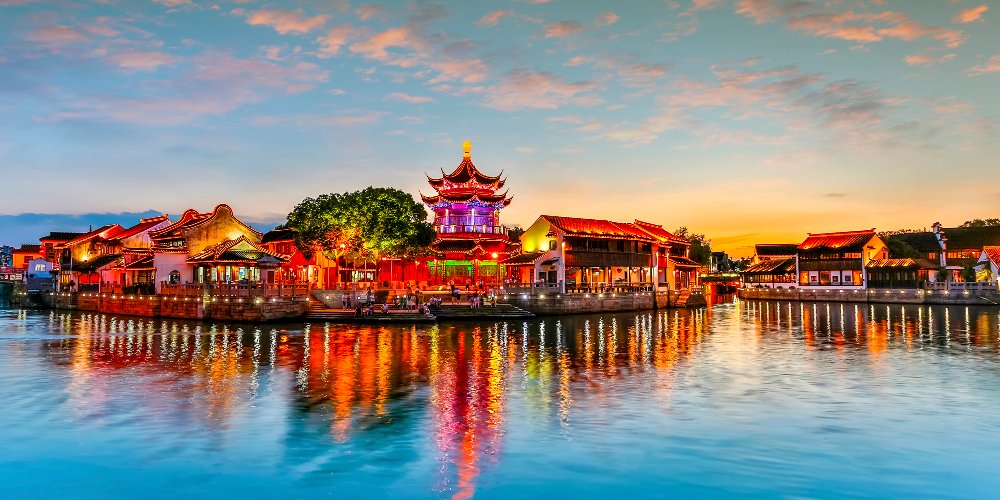
Vietnam, a Southeast Asian nation, is well known for its rigorous and competitive educational system. Education in Vietnam has gained increased focus, with the sector receiving about 6.3 percent of the annual budget.
Vietnamese students aspiring to study abroad have generated a market for international students seeking global opportunities. The country’s low cost of living makes it an attractive destination for those looking for affordable yet high quality education.
Why Study in Vietnam?
Vietnam is rapidly emerging as an attractive destination for international students seeking affordable, high-quality education in a culturally rich environment. The country’s higher education institutions offer a diverse array of programs, often taught in English. Key academic strengths include science and technology in Ho Chi Minh City and language and international studies at Hanoi University.
Studying in Vietnam offers a unique opportunity to earn a recognized qualification while being immersed in Southeast Asian culture. Many private international institutions in Vietnam have multicultural student bodies and globally experienced faculty, fostering innovation, critical thinking, and cross-cultural learning.
On Vietnam
Located on the eastern edge of the Indochina Peninsula, Vietnam is officially known as the Socialist Republic of Vietnam. It shares borders with China, Laos, and Cambodia, and enjoys a long coastline along the South China Sea.Vietnam has seen exceptional economic growth in the past two decades, becoming a major player in manufacturing, IT, and high-tech industries. The country is also Southeast Asia’s third-largest oil producer. In 2011, it topped the Global Growth Generators Index, recognizing it as one of the most promising emerging economies.
Vietnam’s terrain is largely hilly and forested, and its long history, dating back tens of thousands of years, contributes to a rich cultural heritage. With a mix of ancient traditions and modern development, Vietnam is both an academic and lifestyle destination.
Cost of Living and Studying in Vietnam
Currency: Vietnamese Dong (VND)
Vietnam is known for its affordable cost of living, especially compared to Western countries or other parts of Asia.
Accommodation
- Off-campus housing: VND 7,000,000–15,000,000/month (~$280–$600 USD), depending on location and furnishings.
- On-campus housing: $1,200–$1,600 USD per semester, usually inclusive of electricity and utilities.
Transportation:
- Taxi fares: Around VND 12,000 per km
- Public transport: Bus trips to city centers can cost as little as VND 5,000 (~$0.20 USD)
Tuition Fees:
- Public universities: $1,000–$2,500 USD annually for international students
- Private international schools: $30,000–$40,000 USD annually
- Master’s degrees: Typically 1–2 years, with fees varying based on program and institution
Visas for Students in Vietnam
Visa Procedure
Once you have received an offer of admission from a Vietnamese institution, the first step is to contact the international office of your school. They will help you request a visa approval letter from the Vietnamese Immigration Department. This official document is required to apply for a student visa.
With the approval letter in hand, you must submit the following items to the Vietnamese Embassy or Consulate in your home country:
- Original passport
- Visa application form with a recent photo
- Visa fee
- Letter of Acceptance from the school
- Pre-approval letter from immigration
If your country does not have a Vietnamese embassy or consulate, notify your university immediately. In this case, the school will arrange a pre-visa permission letter, allowing you to receive your visa upon arrival in Vietnam. Visas issued this way are typically stamped at international airports such as:
Noi Bai Airport (Hanoi)
Tan Son Nhat Airport (Ho Chi Minh City)

Languages
The official language of Vietnam is Vietnamese, with English gaining popularity as a secondary language. Additionally, French, Chinese, Khmer, and several highland languages are spoken. Vietnamese people constitute 85% to 90% of the population, with the remaining 10% to 15% comprising various ethnic groups. Family and community values hold significant importance in Vietnamese culture, as well as in Chinese and Hmong cultures. Cultural icons such as horses, dragons, birds, and turtles are revered, and Vietnamese literature and classical music boast a rich history dating back to the 13th century. Festivals celebrating Vietnamese culture are widespread throughout the nation, with Tet, the Lunar New Year celebrated in late January, being the most prominent. While western sports like tennis and badminton are popular, soccer and martial arts enjoy the highest popularity.
Cities
Ho Chi Minh City
Formerly known as Saigon, Ho Chi Minh City is Vietnam’s economic powerhouse and largest city. Its dynamic streets are packed with motorbikes, vibrant markets, international businesses, and buzzing nightlife. The city is a mix of old and new — French colonial architecture and bustling cafés stand alongside modern skyscrapers and shopping malls.
As a fast-growing hub, Ho Chi Minh City attracts multinational corporations and offers abundant teaching opportunities, including private language schools and corporate training for international businesses. Whether teaching English to Korean businesswomen or children in international schools, the city’s global environment fosters unique career paths.
Despite the hectic pace, the city offers urban perks like higher salaries, an array of international cuisine, and a lively cultural scene. Ho Chi Minh City is ideal for those looking for professional growth and an energetic lifestyle in Southeast Asia.
Hanoi
Vietnam’s capital, Hanoi, sits in the northern region and boasts a rich cultural heritage. The city’s centuries-old architecture and serene lakes make it a charming contrast to Ho Chi Minh’s intensity. While it was deeply impacted by the Vietnam War, modern Hanoi is a thriving center for education, government, and culture.
Hanoi offers numerous teaching jobs in universities, language schools, and private institutions. It is also home to a large expat community, supported by resources like the American Center at the U.S. Embassy, which hosts movies, seminars, and cultural events.
With a cooler climate and easy access to the scenic northern regions — including Sapa and Ha Long Bay — Hanoi appeals to those who enjoy a more relaxed pace and outdoor lifestyle.
Haiphong
Located in northern Vietnam, Haiphong is the country’s third-largest city and a key seaport. Known for its colonial charm, tree-lined boulevards, and vibrant flame flowers in summer, Haiphong offers a quieter alternative to the bigger cities while still maintaining urban amenities.The demand for English education here is high, but the expat population is smaller, creating more opportunities for cultural exchange and immersion. While the cost of living is lower, it’s still easy to find comforts like international food, including pizza and coffee shops.
Proximity to Ha Long Bay makes Haiphong perfect for weekend adventures like hiking, rock climbing, and boat tours in this iconic UNESCO World Heritage Site.
Can Tho
Situated in the heart of the Mekong Delta, Can Tho is Vietnam’s fourth-largest city and the largest in the southern Delta region. Life moves at a slower, more scenic pace here, with highlights including the famous Cai Rang Floating Market, fruit orchards, and river cruises.Though teaching jobs are fewer than in larger cities, Can Tho still offers opportunities in universities and colleges, most notably Can Tho University. The city is excellent for those wanting to learn Vietnamese, as the smaller expat community encourages deeper interaction with locals.
Cost of living is low, and the nightlife is relaxed — think river walks, street food, and hot pot dinners. With its own international airport, Can Tho is also well-connected to other major Vietnamese cities, making weekend getaways convenient and affordable.